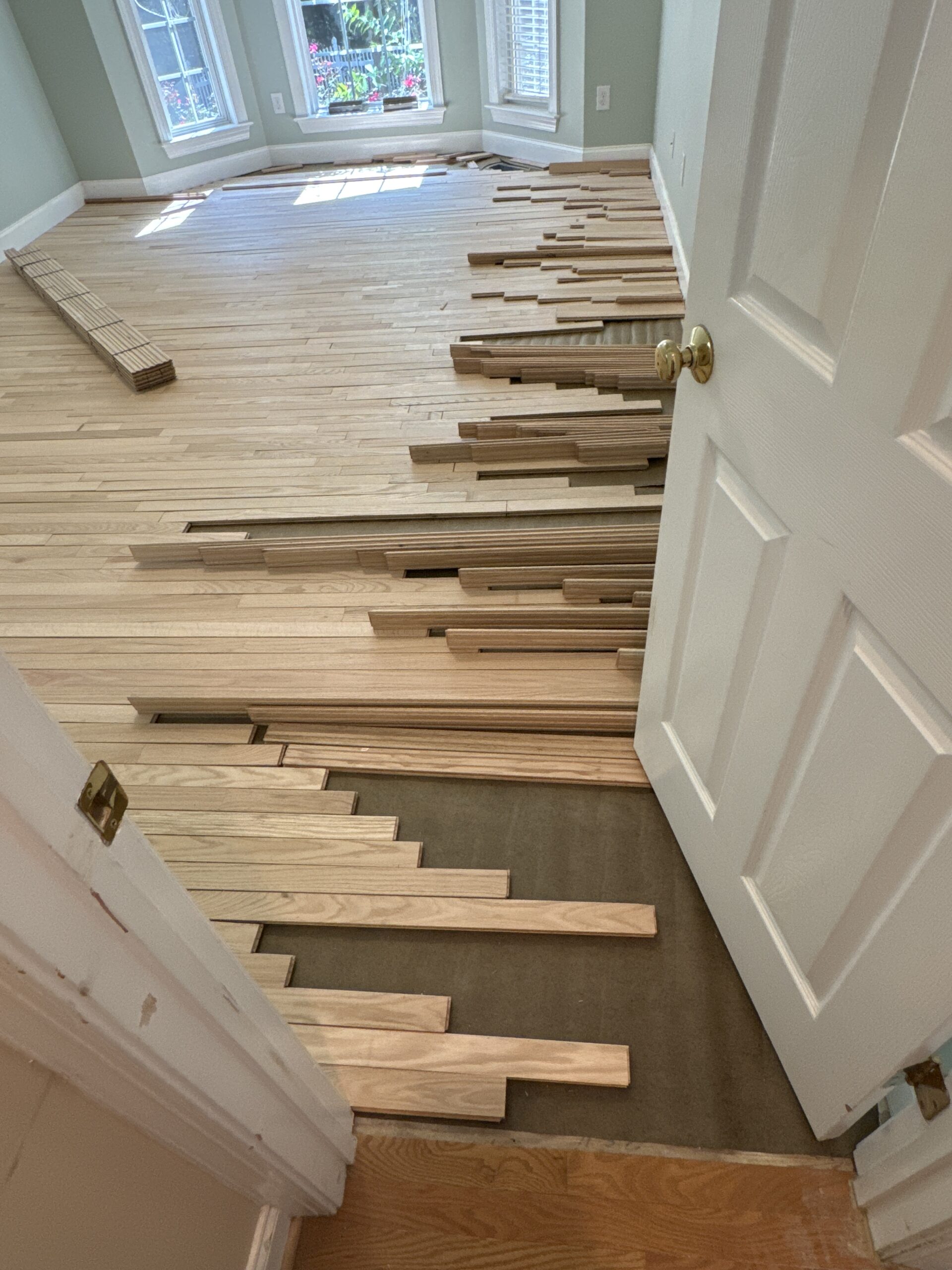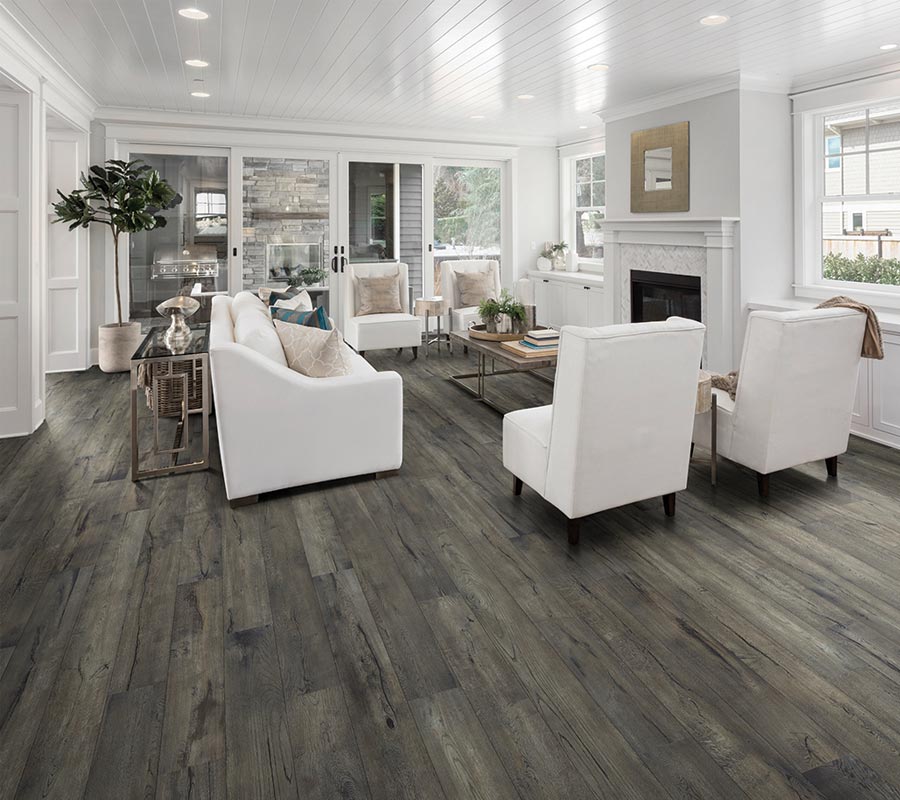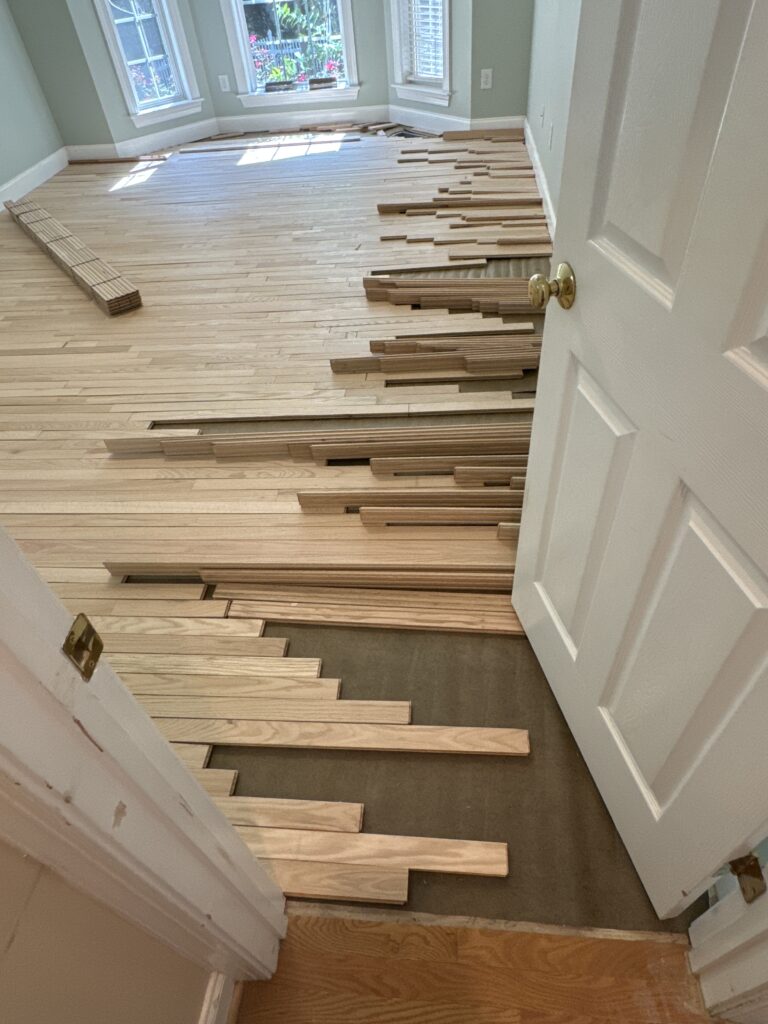
A successful wood floor installation comes down to four things: controlling moisture, preparing a flat and sound subfloor, choosing the right installation method for the space, and hiring a qualified installer like Fabricio Hardwood Floors who follows industry guidelines. The flooring itself matters, but even the best engineered white oak will cup, gap, squeak, or buckle if those fundamentals are skipped. Most of the work that decides whether a wood floor lasts 50 years or fails in five happens before the first board goes down.
This guide explains what professionals check, the standards they follow, and the questions homeowners should ask before any wood flooring project begins.
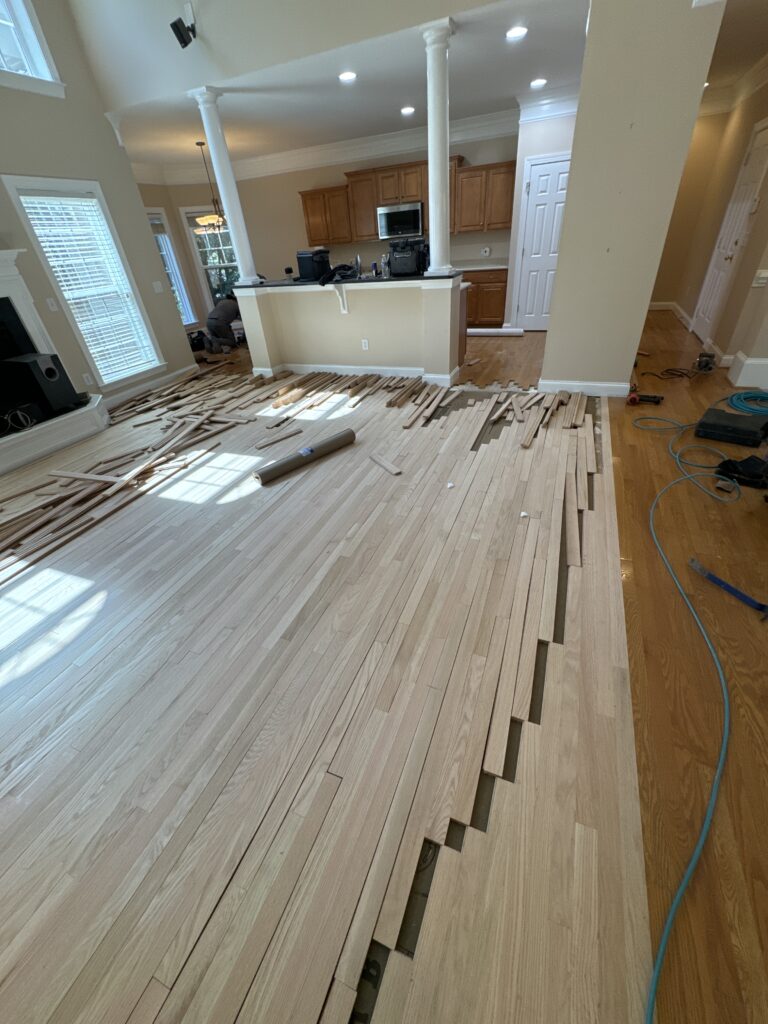
Moisture control and acclimation
Moisture is the number one enemy of wood floors. One experienced wood floor inspector writing for Wood Floor Business estimates that about 90% of the failure claims he investigates are moisture related, whether the boards are cupping, gapping, or buckling. Wood constantly absorbs and releases moisture from the air, so it swells in humid months and shrinks in dry ones.
That is why professionals like Fabricio Harwood Floors measure moisture instead of guessing. Most solid wood flooring is manufactured to a moisture content between 6% and 9%, which matches the typical indoor conditions of a climate-controlled home, according to Hardwood Floors magazine. Under National Wood Flooring Association (NWFA) guidelines, the difference between a wood subfloor and the flooring should be no more than 4% for strip flooring under 3 inches wide, and no more than 2% for planks 3 inches or wider. The NWFA generally considers a wood subfloor dry enough for installation when it reads 12% or less, as summarized by Weyerhaeuser.
Acclimation is the process of letting the flooring adjust to the home before it is installed. The HVAC system should be running at normal living conditions, and the installer should take moisture meter readings of both the wood and the subfloor until they are within range. Relying on a fixed number of days rather than actual readings is one of the most common mistakes in the trade.
A flat, clean, and solid subfloor
The subfloor is the foundation of every wood floor, and it has to be flat, clean, dry, and structurally sound. Flat does not mean perfectly level. A room can slope gently and still be fine, but sudden dips and humps cause boards to flex, separate, and squeak.
The NWFA sets specific flatness tolerances, as outlined by Floor Trends. For nail-down installations using fasteners 1.5 inches or longer, the subfloor should be flat within 1/4 inch over 10 feet or 3/16 inch over 6 feet. For glue-down installations and shorter fasteners, the standard tightens to 3/16 inch over 10 feet or 1/8 inch over 6 feet. High spots should be sanded down and low spots filled with a leveling compound approved for use under wood.
Installers should also refasten loose subfloor panels to the joists to eliminate squeaks, remove debris and old adhesive, and confirm that crawl spaces and basements below are properly ventilated or sealed. Skipping this step is costly. Inspectors regularly find failed floors where the real culprit was an uneven or damp subfloor, not the wood itself.
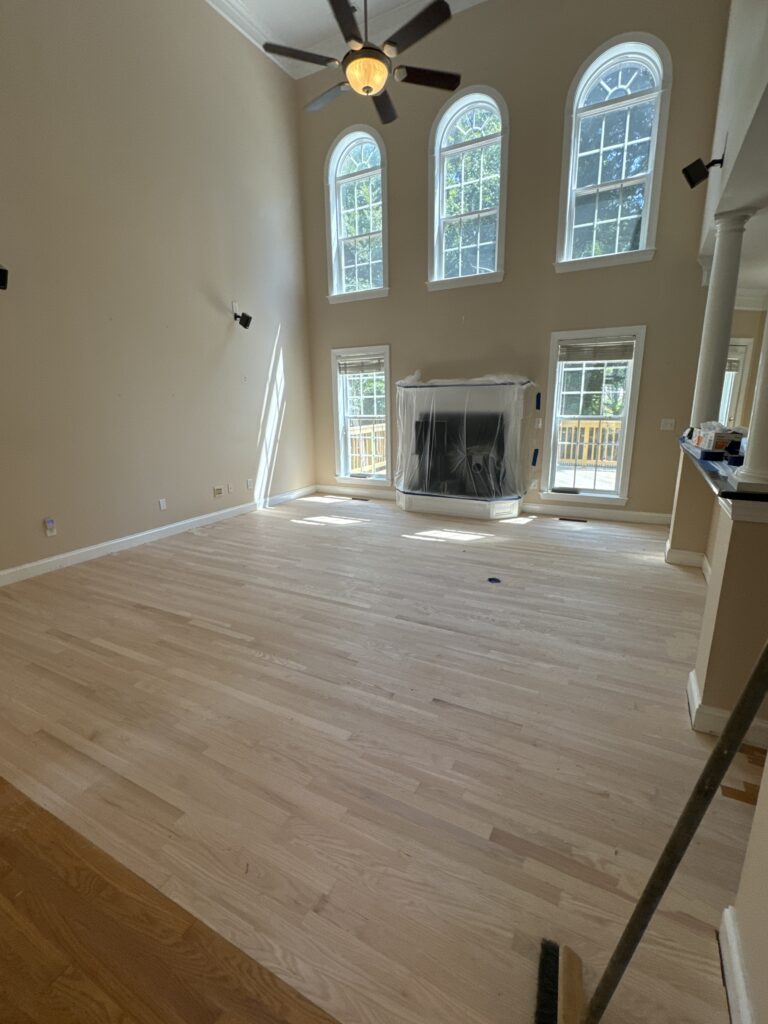
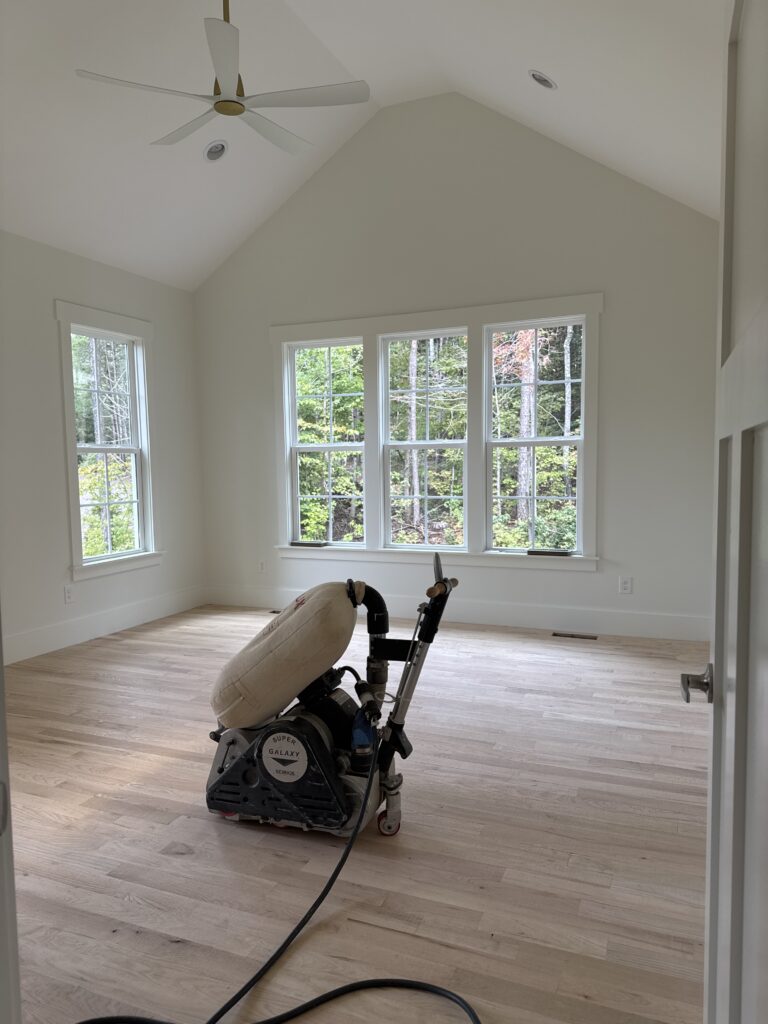
Choosing the right product and installation method
The right installation method depends on the subfloor and the room. Nail-down is the traditional choice for solid hardwood over plywood or OSB and still holds the largest market share at 43.38%, according to Mordor Intelligence. Glue-down is common for engineered planks over concrete slabs, where nails are not an option. Floating and click-lock systems, which rest on an underlayment without being fastened down, are the fastest-growing method because they install quickly and work well over concrete and in basements.
Matching the product to the space matters just as much. Solid hardwood is best above grade in stable, climate-controlled rooms. Engineered hardwood handles humidity swings better and can go over concrete, below grade, and over radiant heat. Wide planks look beautiful but move more with seasonal humidity, so they often call for glue-assisted nailing or a tighter moisture tolerance.
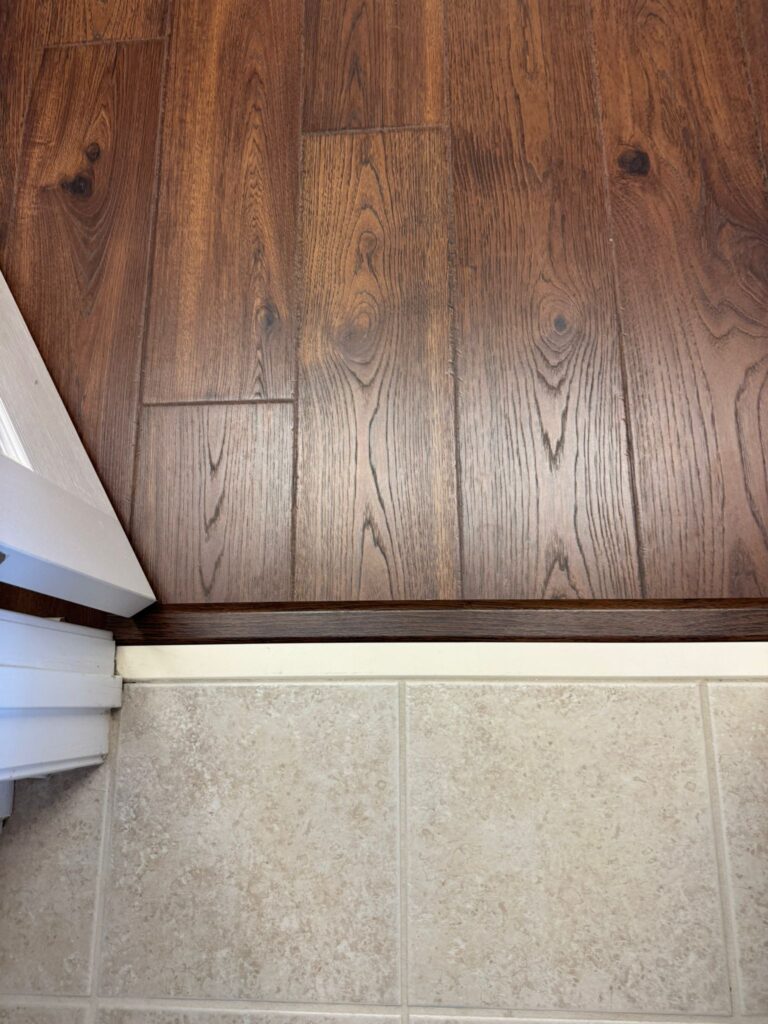
Whatever the method, wood needs room to move. Installers leave an expansion gap around the perimeter of the room and at fixed objects such as pipes, cabinets, and door frames, then hide it under baseboards and trim. The exact gap is set by the flooring manufacturer, and ignoring it is a leading cause of buckling.
Hiring a qualified installer
The installer’s skill and habits have more impact on the result than almost any product choice. An experienced installer like Fabricio Hardwood Floors carries a moisture meter, records readings for both the flooring and the subfloor, checks flatness with a straightedge, and follows either the manufacturer’s instructions or the NWFA Installation Guidelines when the manufacturer is silent.
This matters for your wallet too. Flooring manufacturers generally do not cover installation-related failures under their product warranties. Provenza Floors, for example, states that installation-related failures fall outside its warranty and recommends hiring an NWFA Certified Professional, noting that certified installers typically warranty their own work. If a floor fails because moisture was never tested or the subfloor was never flattened, the cost of tearing out and replacing it can fall on the homeowner or the contractor.
When interviewing installers, ask whether they hold NWFA certification, how they test moisture, what flatness tolerance they work to, and what warranty they offer on labor. A confident, specific answer to each question is a strong sign the job will be done right.
The bottom line
A wood floor that lasts for decades is built on preparation. Test moisture with a meter, give the flooring time to acclimate, flatten and secure the subfloor, choose the method that suits the room, leave proper expansion space, and hire an installer who follows NWFA guidelines. Once the floor is down, keep indoor humidity steady year round and use felt pads and doormats to protect the finish.
Frequently asked questions
How long should wood flooring acclimate before installation?
There is no single number of days. The flooring is ready when moisture meter readings show it is within 2% to 4% of the subfloor, depending on board width, under normal living conditions.
What causes wood floors to cup or buckle?
Most cupping and buckling is caused by moisture, either from a damp subfloor, a crawl space, or high indoor humidity. Missing expansion gaps can also cause buckling.
Can wood flooring be installed over concrete?
Yes, usually with engineered flooring that is glued down or floated, after the slab has been tested for moisture and found flat within tolerance.