Solid hardwood vs. engineered hardwood: what Charlotte homeowners should actually know
Every few weeks, someone walks into a flooring conversation dead-set on “real hardwood,” only to be surprised to learn that engineered hardwood is real hardwood too. It’s probably the most misunderstood comparison in the flooring world — people assume engineered means fake, when really it just means built differently. And that difference in construction ends up mattering a lot more than most homeowners expect, especially once you factor in things like humidity, subfloor type, and where in the house you’re actually installing it.
If you’re trying to decide between the two for a home in the Charlotte area, here’s what’s actually different, where each one shines, and where each one will let you down.
The construction difference in plain terms
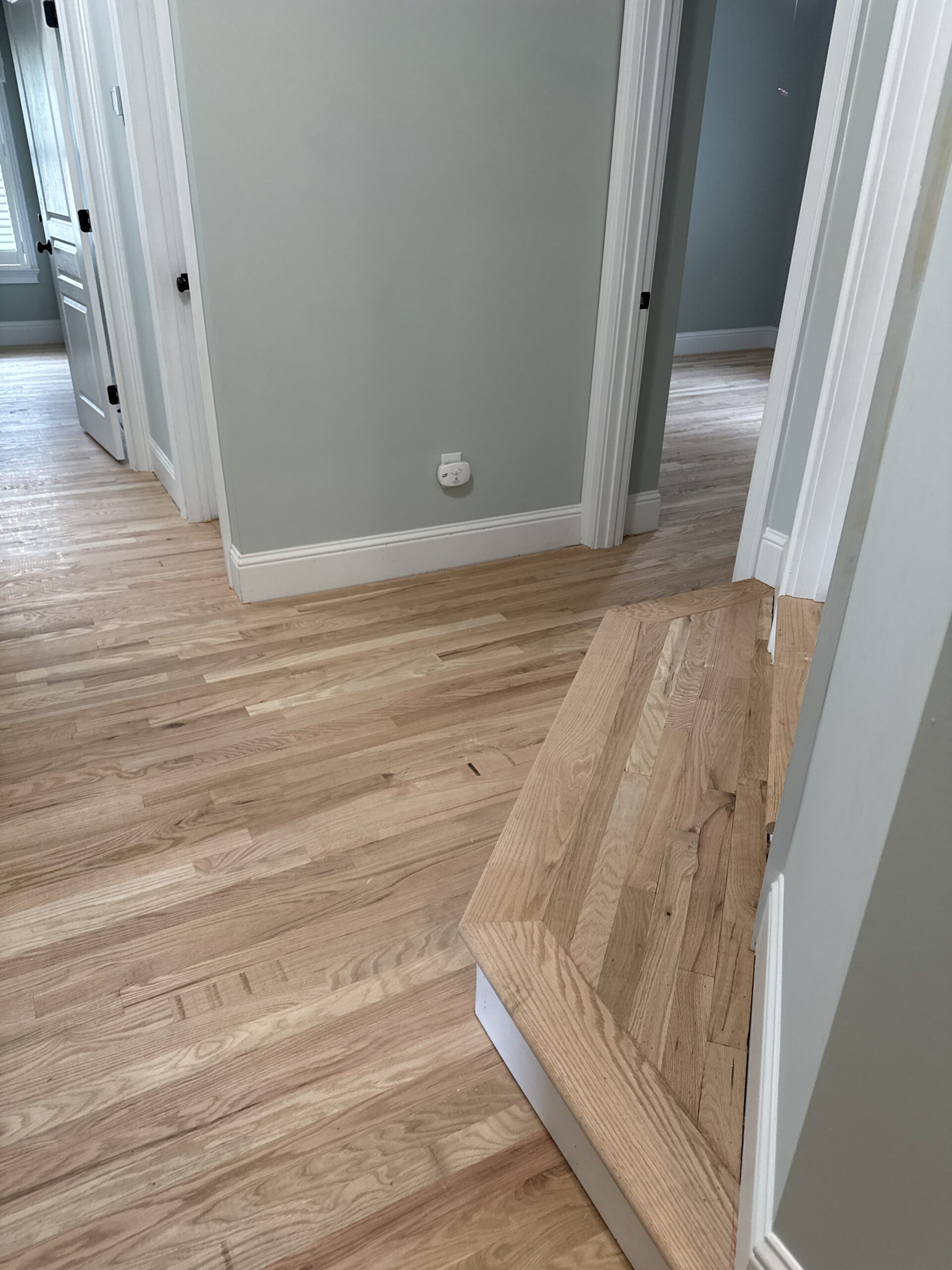
Solid hardwood is exactly what it sounds like — a single piece of wood, milled top to bottom, with nothing engineered about it.
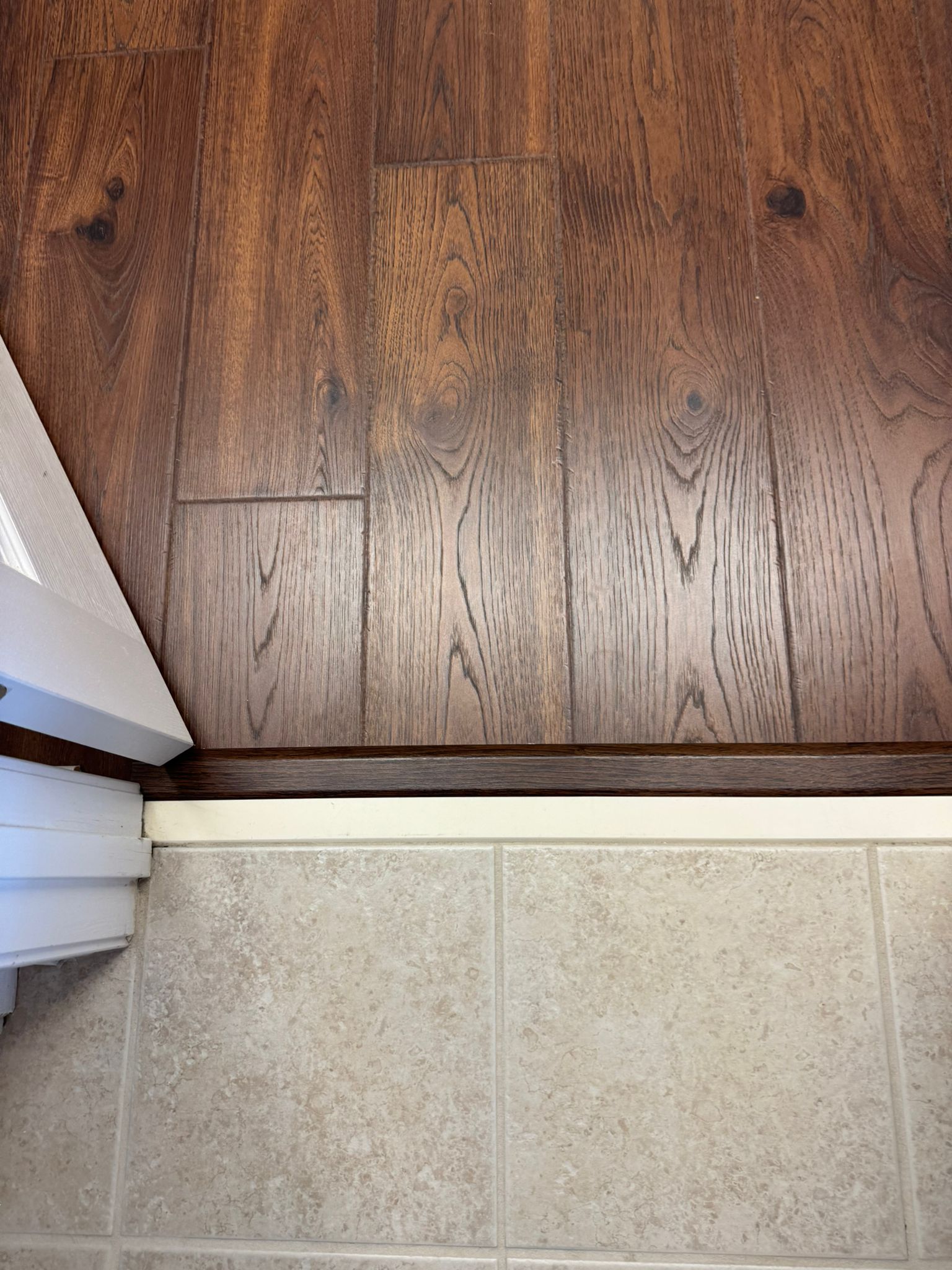
Engineered hardwood, on the other hand, is built from multiple layers of wood products bonded together under heat and pressure, with a thin veneer of real hardwood on top and a core of plywood or high-density fiberboard underneath.
That layered, cross-grain construction is the whole story. It’s what makes engineered hardwood more stable and less prone to expanding and contracting with humidity changes than a solid plank ever will be. Same wood species on the surface, completely different behavior underneath.
Solid hardwood: the case for and against it
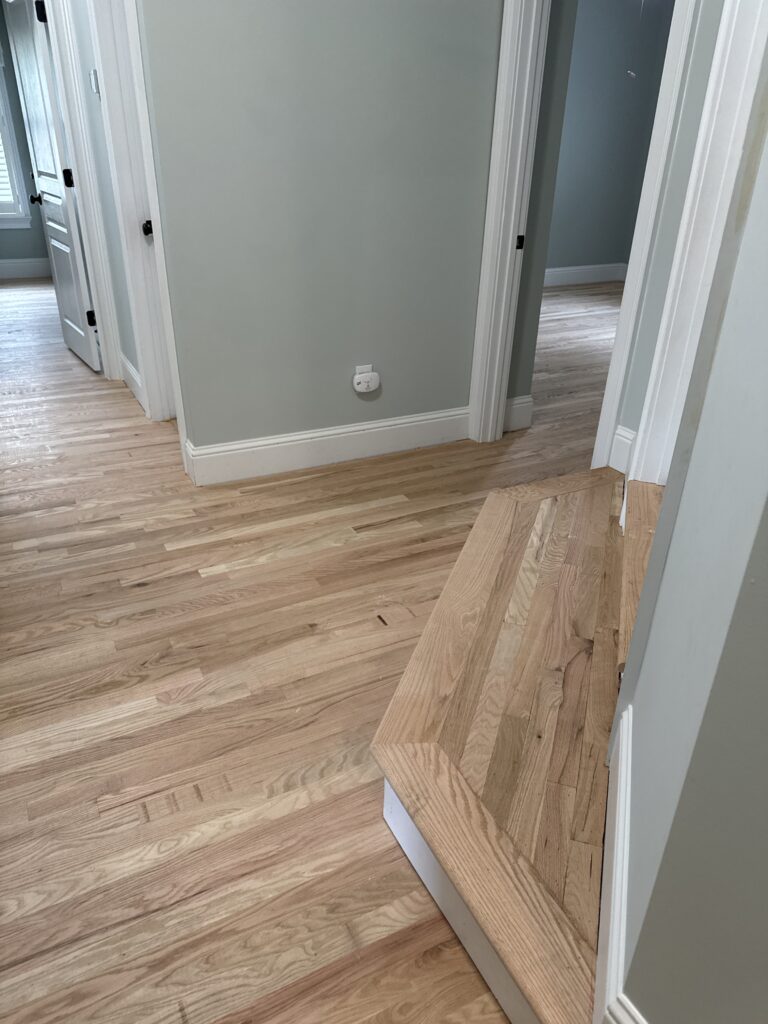
Solid hardwood’s biggest selling point is natural beauty and longevity. Well-maintained solid floors can last anywhere from 50 to 100 years, and because they’re solid wood all the way through, they can be sanded and refinished several times to remove imperfections and scratches that naturally occur with time. Once sanded, solid wood floors can also be refinished with a completely different stain color. The option to refinish hardwood floors multiple times means one floor can genuinely outlast the house’s next three owners.
But that durability comes with real trade-offs. Solid wood is sensitive to moisture, and wider planks over 6 inches carry an even higher risk of cupping since more surface area is exposed to humidity swings. It’s also pickier about where it goes. Most solid hardwood needs to be nailed to a wood subfloor, isn’t recommended below grade, and generally requires a pro to install it correctly rather than a weekend DIY project.
Engineered hardwood: the case for and against It
Engineered hardwood’s main advantage is stability. The layered construction handles humidity far better and can be installed directly over a concrete slab, so a spill gets cleaned up without the floor suffering lasting damage the way solid wood might. That alone opens up rooms solid hardwood simply can’t go — basements, over radiant heat, anywhere moisture is a factor.
It’s also more forgiving to install. Engineered planks can be nailed, glued, or floated, and the click-lock floating systems make it a realistic DIY option in a way solid hardwood rarely is.
The trade-offs mostly come down to lifespan and finish limits. Because the hardwood layer on top is thin, engineered floors can typically only be sanded and refinished once or twice, depending on the thickness of that top veneer — and quality varies a lot between manufacturers, so a bargain product with a paper-thin wear layer won’t hold up the way a premium one will.
Cost: not as simple as “engineered is cheaper”
On paper, engineered wins on price. Engineered wood typically runs $4.50 to $16 per square foot in materials, compared to $6 to $25 for solid hardwood. But that’s only half the picture. Solid hardwood’s ability to be refinished repeatedly means the cost spreads out over a much longer lifespan, so the higher upfront price can even out — sometimes it comes out ahead — if you’re planning to stay in the home for decades.
When deciding whether to invest in hardwood floors or have engineered wood floors installed, one thing to consider is how long you anticipate living in you home so you can rip the benefits of solid wood floors’ longevity.
Which one actually makes sense in Charlotte
This is where local conditions matter more than most people realize. Charlotte summers get humid, and a lot of homes in this area — especially in older neighborhoods and newer builds alike — have basements, crawl spaces, or concrete slab foundations somewhere in the mix. Kitchens see spills. Powder rooms see splashes. None of that is solid hardwood’s friend.
Here’s roughly how we’d frame it for most homes we work on in the greater Charlotte area:
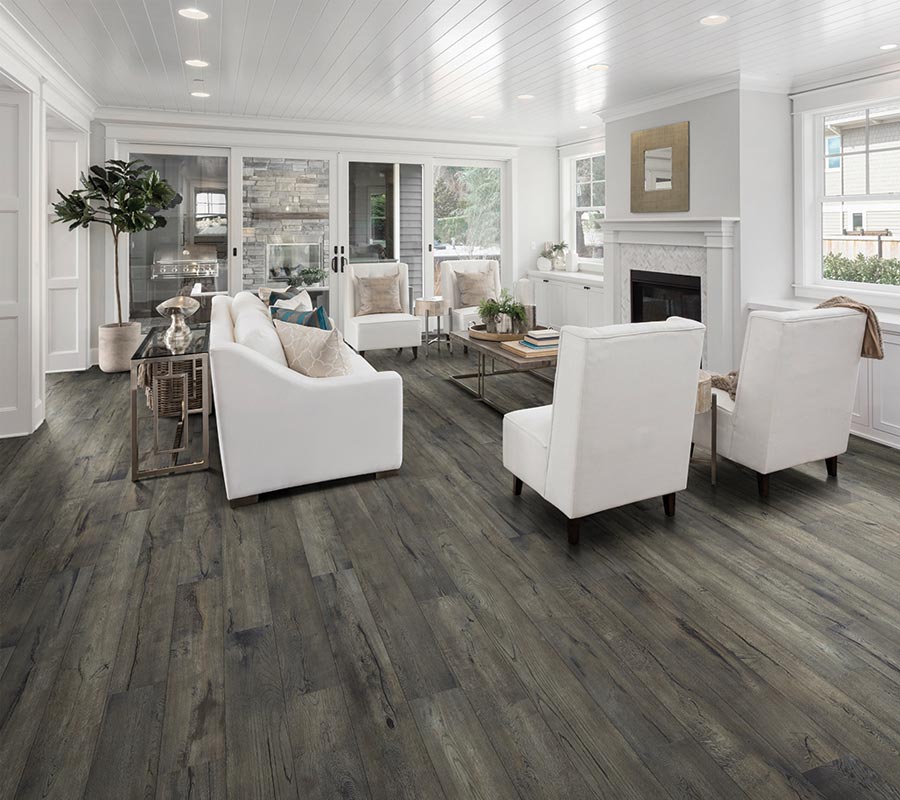
Choose solid hardwood for above-grade living rooms, bedrooms, and formal spaces in homes with wood subfloors, where you want a floor that can be refinished for generations and moisture isn’t a daily concern.
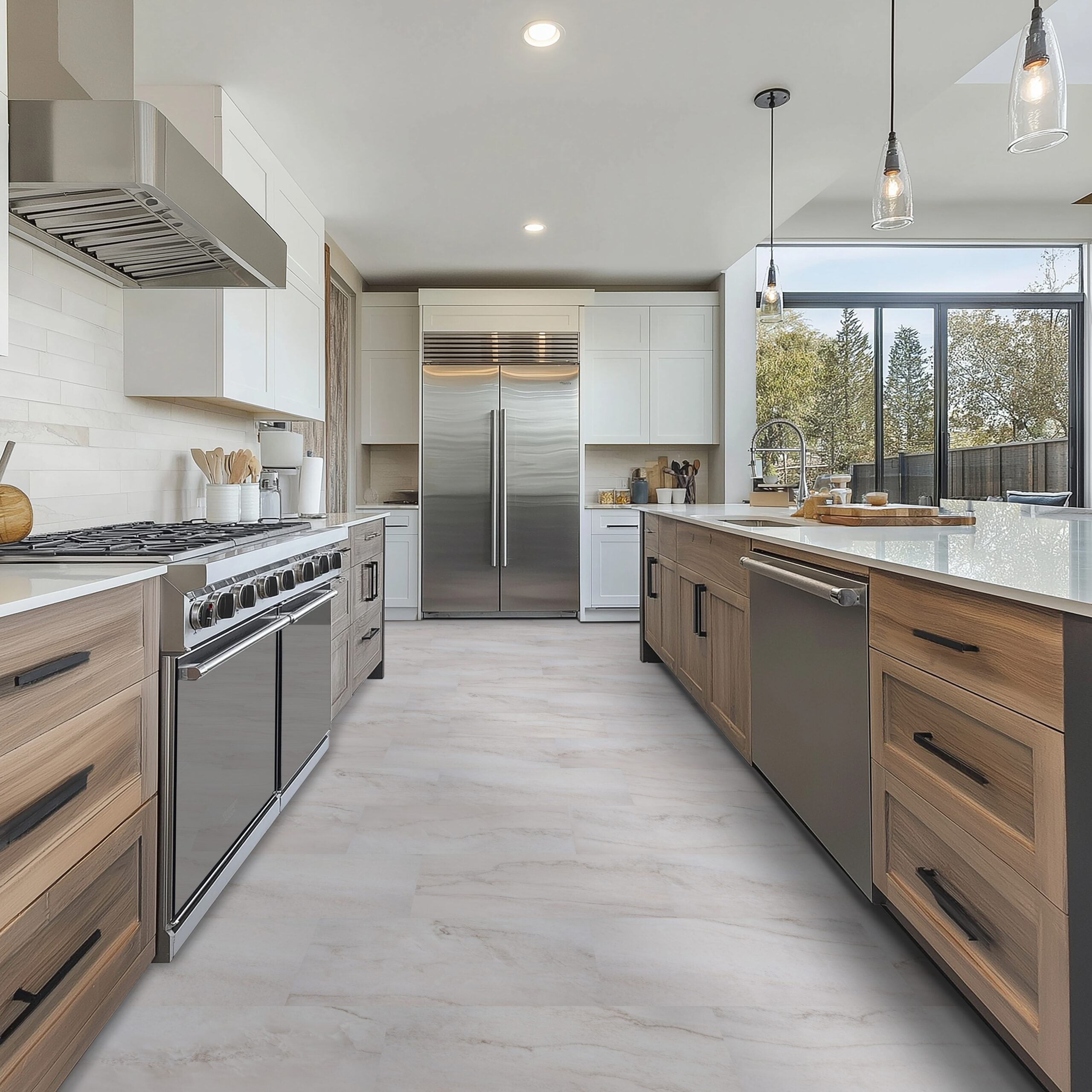
Choose engineered hardwood for basements, homes on slab foundations, kitchens, and any space with radiant heat — or if you just want the real-wood look without babysitting the humidity levels in your house.
Both options add genuine resale value, and honestly, most homeowners can’t tell the two apart by eye once they’re installed. The decision really comes down to where the floor is going and how long you plan to keep the house — not which one is “better” in some universal sense.
Let us walk the space with you
The honest answer is that the right choice often depends on details you can’t fully judge from a showroom floor sample — your subfloor type, your home’s humidity patterns, whether there’s a slab or crawl space underneath a given room. At Fabricio Hardwood Floors, we walk through your space, take a look at what you’re actually working with, and help you land on the option that’ll hold up — instead of just steering you toward whichever product has the best margin. View some of our latest installations of wood floors and engineered wood floors.
If you’re weighing solid versus engineered hardwood for a project anywhere in the greater Charlotte area, we’re happy to bring samples of both to your home and talk through what makes sense room by room.