What Charlotte homeowners need to know before they choose a type of carpet
Walk into any home in the Charlotte area and chances are you’ll find carpet in at least one room. Despite the ongoing popularity of hardwood, luxury vinyl, and tile, carpet continues to hold a significant share of the residential flooring market. According to the World Floor Covering Association, carpet still accounts for approximately 45% of all flooring sold in the United States by square footage — a testament to its enduring comfort, warmth, and sound-absorbing qualities.
But not all carpet is created equal. From the fibers used in manufacturing to the density of the pile, the choices can feel overwhelming for any homeowner embarking on a renovation or new build. At Fabricio Hardwood Floors, we’ve helped countless Charlotte homeowners navigate these decisions, and we want to help you do the same. Here’s what you need to know.
Understanding carpet fiber: the foundation of every decision
The fiber type is perhaps the single most important factor in any carpet purchase. It determines how the carpet feels underfoot, how long it will last, and how well it resists stains, moisture, and everyday wear. Most residential carpets in today’s market fall into one of five primary fiber categories.
Nylon
Nylon is the gold standard for residential carpet. It accounts for roughly 60% of the carpet fiber market in the U.S., and for good reason. Nylon is remarkably resilient — it bounces back from compression exceptionally well, making it ideal for high-traffic areas like living rooms, hallways, and staircases. Brands like Shaw Floors and Mohawk have built entire product lines around high-quality nylon, with offerings like Shaw’s Caress collection and Mohawk’s SmartStrand Silk delivering soft texture alongside long-term durability. Expect to invest anywhere from $3 to $7 per square foot for quality nylon carpet, before installation.
Polyester
Polyester (PET) has grown rapidly in popularity as manufacturers have improved its resilience and softness. It offers exceptional stain resistance and vivid color retention, and because it’s often made from recycled plastic bottles, it appeals to environmentally conscious buyers. Polyester is typically priced 15 to 20% lower than comparable nylon products, making it an attractive option for bedrooms or lower-traffic spaces. Shaw Floors’ Life Happens and Mohawk’s EverStrand lines are strong examples of eco-friendly, high-performance polyester carpets available through Charlotte flooring retailers.Triexta
Triexta is a newer fiber classification, officially recognized by the U.S. Federal Trade Commission in 2009. Mohawk’s SmartStrand — which features built-in DuPont Sorona polymer — is the most recognizable triexta product on the market. Triexta combines the softness of polyester with durability closer to nylon, and is particularly popular with families who have children or pets. Independent wear tests have shown SmartStrand to maintain its appearance under heavy foot traffic for 15 to 25 years with proper maintenance.Wool
Wool remains the prestige option in the carpet world. Naturally renewable and biodegradable, wool carpet is breathable, naturally flame-resistant, and has a luxurious weight and texture that synthetic fibers struggle to replicate. Brands like Karastan, which has been crafting wool-blend carpets since 1928, represent the upper tier of this category. The trade-off is cost: premium wool carpet can range from $8 to $20 or more per square foot, making it a significant investment. In the Charlotte market, wool tends to be chosen for formal living rooms, master bedrooms, and custom home builds where budget is not the primary constraint.Olefin
Olefin (Polypropylene) is most commonly used for indoor-outdoor applications, basements, and utility spaces. It is highly moisture-resistant and mold-resistant, which makes it practical for areas prone to humidity — a real consideration in the Charlotte region given the Piedmont’s warm, humid summers. However, olefin does not hold up as well under heavy foot traffic as nylon or triexta, and it can mat down over time in busy areas of the home.
Pile style: how your carpet is constructed
Beyond fiber type, how a carpet is constructed — its pile style — dramatically affects its appearance, texture, and practicality. The most common styles you’ll encounter include cut pile, loop pile, and cut-and-loop.
Cut pile is the most widely sold residential carpet style in America. The yarn loops are cut at the tips, creating an upright, dense surface. Within cut pile, you’ll find several variations. Saxony offers a smooth, formal look but shows footprints and vacuum marks. Frieze (sometimes called twist carpet) features tightly twisted fibers that curl at the ends, hiding traffic patterns beautifully — making it a perennial favorite for family rooms and busy households. Plush or velvet pile creates an ultra-smooth, luxurious surface often seen in formal spaces.
According to flooring industry data, cut pile accounts for more than 70% of all residential carpet sales in the United States.
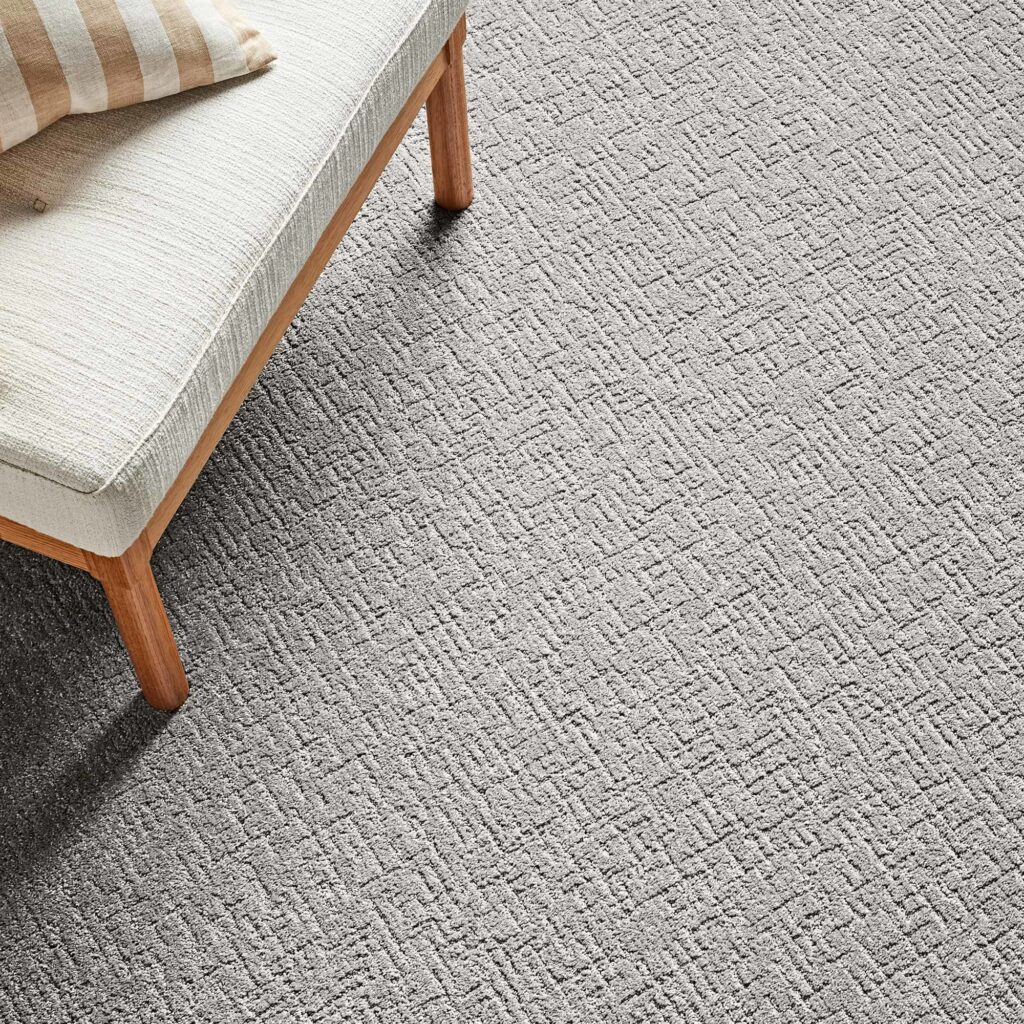
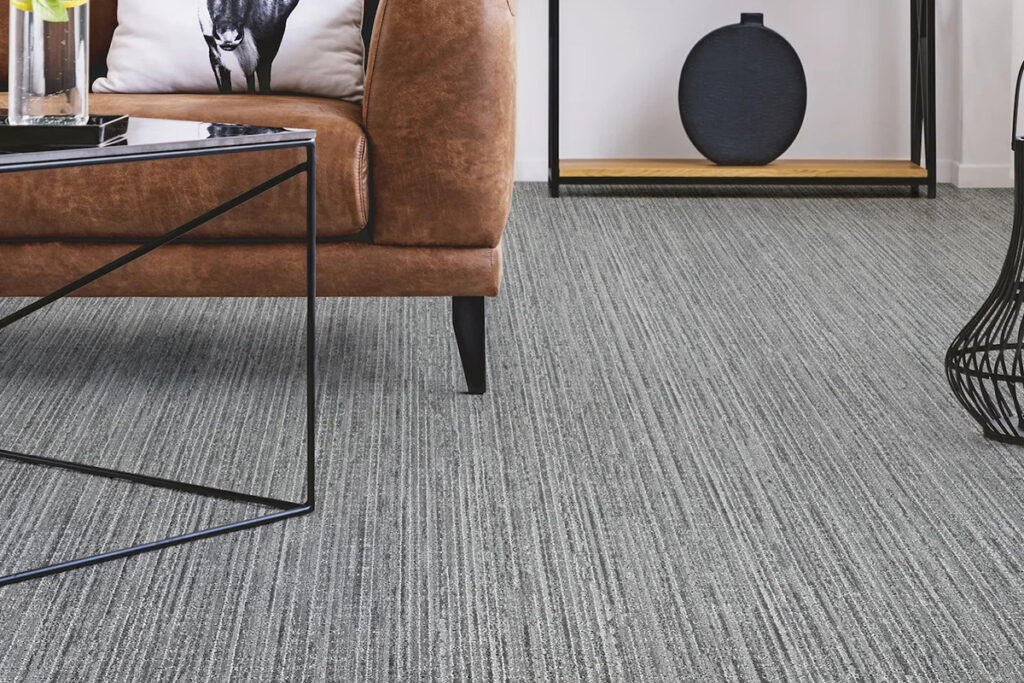
Loop pile leaves the yarn loops intact rather than cutting them. Berber is the most recognizable loop pile style, characterized by its flecked appearance and firm texture. Loop pile carpets tend to be extremely durable and hold up well in high-traffic areas. However, homeowners with pets should be cautious — a cat’s claw or a snag from furniture can pull a loop and cause the carpet to unravel. Shaw Floors and Philadelphia Commercial both offer excellent loop pile products with added durability treatments to mitigate this concern.
Cut-and-loop pile combines both techniques to create textural patterns and visual depth. These carpets are excellent at hiding stains and footprints, and their patterned surface adds a decorative element that solid-color carpets lack. They’re a smart choice for families who want something stylish without the high-maintenance appearance of a formal plush carpet.
Carpet Density, Face Weight, and Twist: The Numbers That Matter
Many buyers focus on color and fiber type and overlook the technical specifications that actually predict how a carpet will perform over time. Three numbers matter most: face weight, density, and twist level.
Face weight refers to the weight of the pile fiber per square yard and is measured in ounces. A higher face weight generally means more fiber per yard, which translates to a fuller, more luxurious feel. For residential use, carpet with a face weight between 35 and 60 ounces is considered appropriate for most living spaces, while anything below 30 ounces is better suited to light-traffic areas.
Density is calculated by combining face weight and pile height, and it measures how closely packed the fibers are. A denser carpet recovers better from compression and lasts longer. Industry professionals generally recommend a density rating of 2,000 or higher for quality residential applications, with ratings above 3,000 indicating a premium product.
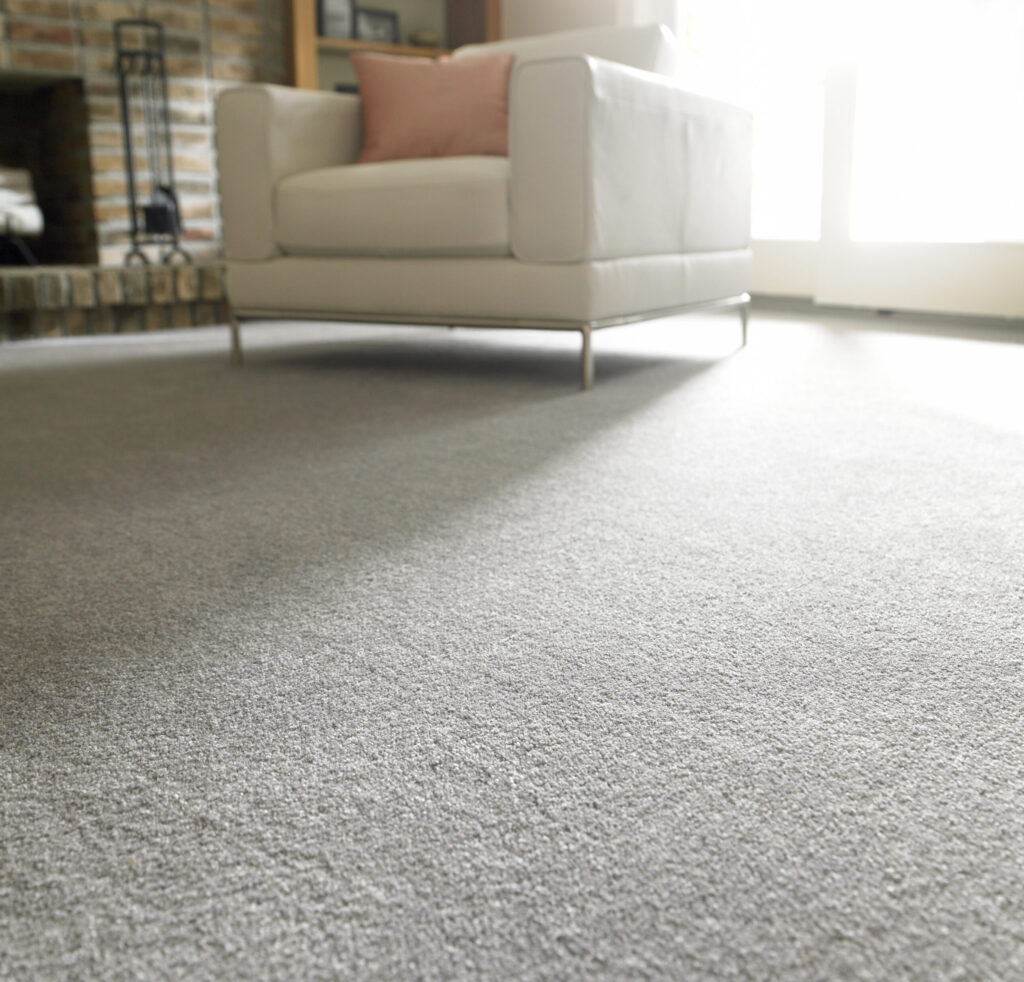
Twist level refers to how many times the yarn is twisted per inch. A higher twist level — ideally 5 or more twists per inch for cut pile carpet — means the carpet will hold its shape better over time. Shaw Floors and Mohawk both publish these specifications for their product lines, and any knowledgeable Charlotte flooring retailer like Fabricio Hardwood Floors can walk you through these numbers before you commit to a purchase. View some of our most recent work.
Padding: the unsung hero of carpet performance
No carpet installation is complete without quality padding underneath, and yet it’s one of the most frequently overlooked parts of the purchase decision. Carpet padding — also called underlayment or cushion — serves multiple purposes: it extends the life of your carpet, improves comfort underfoot, adds thermal insulation, and enhances sound absorption.The padding market in North America was valued at approximately $2.1 billion in 2022 and continues to grow as homeowners invest more in whole-system flooring solutions. For most residential applications, a pad between 7/16 inch and 1/2 inch thick with a density of 6 to 8 pounds is recommended. Thicker is not always better — carpet manufacturers often specify maximum pad thickness in their warranty terms, and using an overly thick pad can actually cause the carpet to flex too much and break down prematurely.
Rebond foam is by far the most common type of residential carpet padding and represents a cost-effective, durable choice for most rooms. Memory foam padding offers a step up in underfoot comfort, while rubber padding is preferred in commercial settings or basements where moisture resistance is a priority.
Choosing the right carpet for each room in your Charlotte home
Not every room in your home requires the same type of carpet. Matching the right fiber and construction to each space is key to getting the most value from your investment.
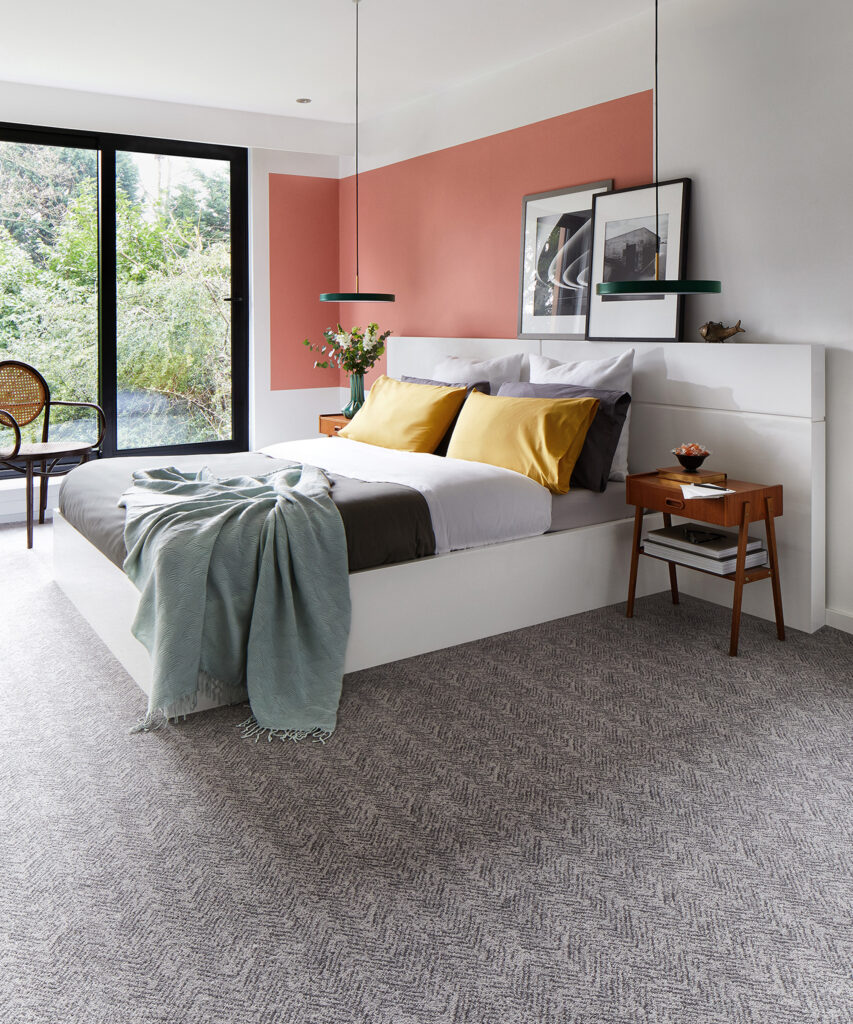
In bedrooms, where comfort is the priority and foot traffic is comparatively low, a soft polyester or triexta carpet in a plush or saxony cut pile style creates a warm, cozy environment. Mohawk’s SmartStrand Silk or Shaw’s Caress collection are popular choices for master and secondary bedrooms throughout the Charlotte market.
Living rooms and family rooms demand more durability. A mid-to-high density nylon in a frieze or cut-and-loop pile is well suited to handle daily foot traffic, pets, and family gatherings. Stain resistance treatments like Shaw’s R2X or Mohawk’s All Pet Protection add valuable peace of mind.
Stairs and hallways experience the highest concentration of foot traffic in any home and require the most durable option you can afford. A dense nylon cut pile with a face weight of 45 ounces or more and a tight twist is the professional recommendation. Durability here translates directly to lifespan — the right carpet on a staircase can last 10 to 15 years with proper care, while an underqualified product might show wear within three to five.
Basements in the Charlotte area present unique challenges. Humidity and the potential for moisture intrusion make synthetic fibers — particularly olefin or solution-dyed polyester — far more appropriate than wool or untreated nylon. Solution-dyed fibers have the colorant built into the fiber itself rather than applied on top, making them resistant to both moisture damage and fading from sunlight.
Why Charlotte homeowners trust Fabricio Hardwood Floors
At Fabricio Hardwood Floors, we know that choosing flooring is one of the most impactful investments you’ll make in your home. While our name reflects our roots in hardwood, we carry a carefully curated selection of carpet products from industry-leading brands including Shaw Floors, Mohawk, Karastan, and Philadelphia Commercial — because we believe every room in your home deserves the right material, not just the most fashionable one.
Our team serves homeowners throughout the greater Charlotte area, from Ballantyne and SouthPark to Matthews, Mint Hill, and beyond. Whether you’re furnishing a new construction build or refreshing a tired bedroom, we bring product knowledge, honest advice, and professional installation to every project.
The carpet market continues to evolve, with new fiber technologies, sustainable manufacturing practices, and advanced stain protection systems giving today’s buyers better options than ever before. The global carpet and rugs market was valued at over $48 billion in 2023 and is projected to continue growing as homeowners prioritize comfort, acoustics, and design in their living spaces.
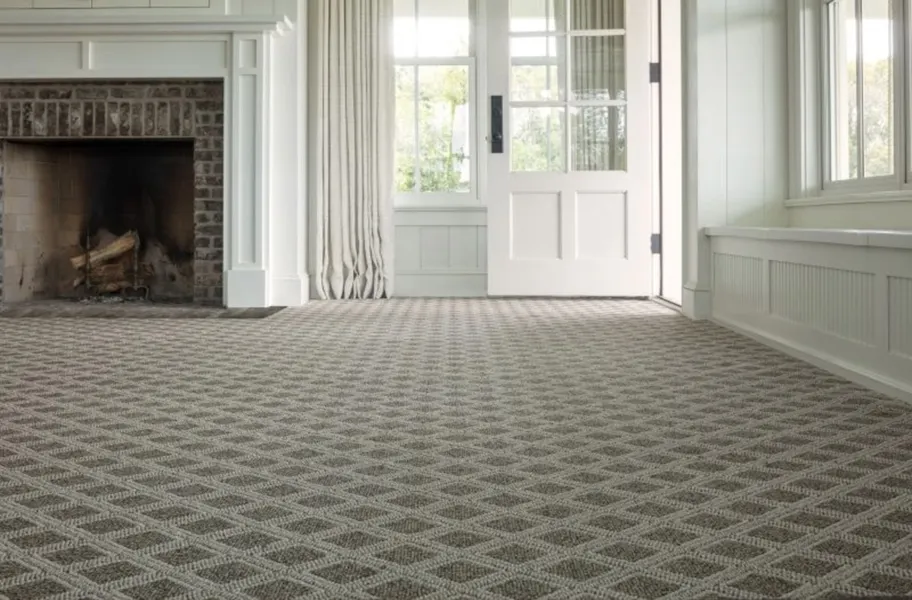
Whether you’re choosing carpet for the first time or replacing a floor that has simply run its course, understanding these fundamentals puts you in a far stronger position to make a confident, informed decision. Come visit us in Charlotte and let our team help you find the carpet that fits your home, your lifestyle, and your budget — because the right floor makes all the difference. (704) 770-1028